From Annual Fixes to Multi-Year Strategy:

Facilities, Refrigeration, and the Financial Levers Most Distributors Miss
  • Kogent
From Annual Fixes to Multi-Year Strategy:

Webinar

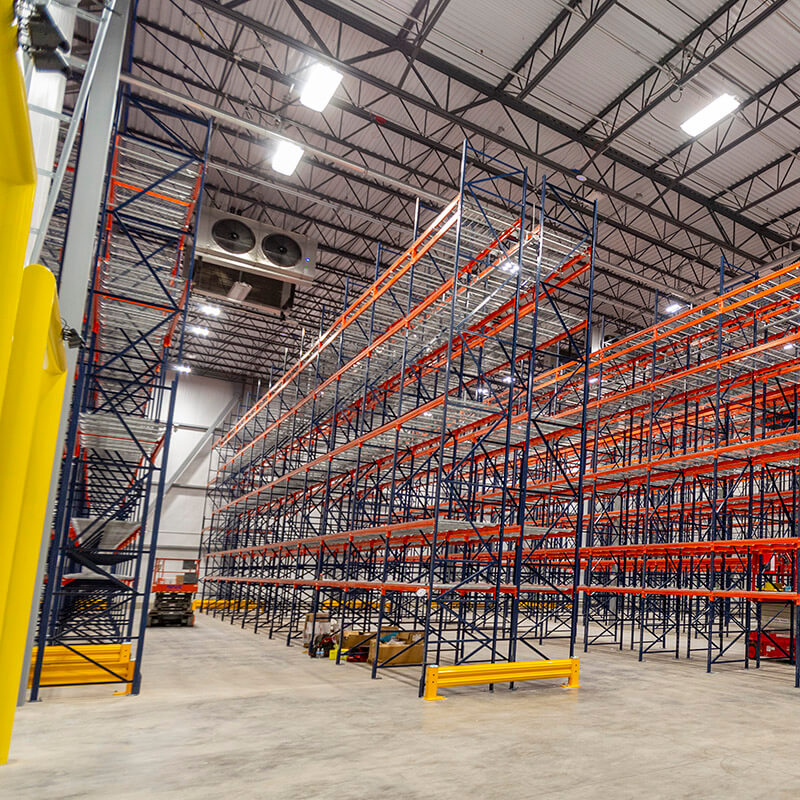
Food and Beverage Distribution facilities in the U.S. are simply getting old. JLL and Newmark put the average facility at 37 - 42 years old, and more than 75% were built before 2000. Just like the human body, at some point, age starts to matter: more things break and take extra effort to repair. Meanwhile energy costs continue to rise and the facilities of yesteryear struggle to handle the SKU counts and velocities of today's demand. While automation and technology offer solutions to some operational concerns, many demand facility changes to optimize outputs. All of this affects your bottom line, whether building owner, operator, or both.

While some companies have moved, not every distributor can make employees drive further to relocate their business; and building owners seek performance from their investment, not an empty building with a "for lease" sign out front. Most organizations have had the same formula for years: fix what breaks and plan for a new roof every 15 or 20 years. That approach gets more expensive as straight-line depreciation schedules run out, refrigerants phase-out, and the maintenance list gets longer. This webinar looks at a different way to handle it—evaluating the facility, the systems, the technology, and the real business goals together; then applying tax and financial tools most companies overlook, so the math on larger, comprehensive projects works. Set your course to achieve those business goals with fewer band-aid fixes and more capital available for growth.

What You'll Learn

  1. Recognize the symbiotic relationship between strategic investment and recapture with comprehensive planning and financial levers missed by most businesses.
  2. Capture insights to the power of planning from industry experts with real cases/situations that catch many off-guard.
  3. Understand how options and choices are developed for distributors and owners with different value propositions.
  4. Build confidence in asking for assistance and know you're not alone facing challenges with meeting modern demands in an older building.

Speakers

  1. Mackenzie Putici Webinar Moderator Future B2B
  2. Jim Driscoll Vice President - Industrial Strategy Kogent

  3. John Cochran Senior Pre-construction Manager Murphy Company Mechanical Contractor

  4. John Berry Regional Director Tri-Merit

Full Transcript Mackenzie Putici Hello everyone and welcome to today's webinar from annual fixes to multi year strategy, facilities, refrigeration, and the financial levers most distributors miss. Now today's session is brought to you by Cogent and produced by SmartBrief. My name is Mackenzie Pudice with SmartBrief, a future b two b company, and I'm excited to be your moderator for today's session. Now food and beverage distribution facilities in The US are simply getting old. JLL and Newmark put the average facility at 37 to 42 years old, and more than 75% were built before 2000 or the year 2000. So just like the human body, at some point, age starts to matter, things break down, and they take extra effort to repair. And meanwhile, energy costs these days continue to rise and facilities of yesteryear struggled to handle the SKU counts and velocity of today's demand. So today, we are gonna look at what's old, what's new, how to bridge the gap, and what financial savings and tax credits may be available to you. Now we have a panel discussion, planned for you here, and I'm excited to get our speakers up on stage. But let's just cover a wee bit of housekeeping to make sure you get the most out of today's session, and then we'll get the show on the road. So I've already seen several of you saying some highs, hellos as you've joined here on the webinar. But if you're just joining us, just getting settled in, if you look to the right hand side of your audience console, you're gonna see a chat interface and a few tabs along the top, chat, docs, q and a. So feel free to hop in the chat tab there. Give us a quick hi, hello, hola. Let us know where you're tuning in from. And, obviously, throughout this session, this is, gonna be very conversational, lots of information. Feel free to chime in with your comments, feedback, hot takes, anything you like, and we'll do our best to respond, here in real time as well on the session. So it looks like we've got Texas in the house. We've got California, Wisconsin, Ohio, Bethlehem, Northern Illinois. Alright. Awesome. So welcome. Keep those highs and lows coming in. And, again, love to see what you're thinking, what you're feeling. Beyond that, if you guys have any technical issues during today's session, if video, slides, audio, anything's not loading, not syncing up, just reach out in the chat tab. Myself and Deanna will be here to help. Deanna is our webinar coordinator running things here smoothly in the background. We also have closed captions available. You can hover over your viewport and toggle those on. If you're on a mobile device, you'll also see a toggle for a light mode just to pair it on the console, so great if you're on a smaller screen. And we've got, some react buttons here if you guys wanna use some emojis or reactions throughout. And there's a new catch up button that you'll see there. If you get interrupted, have to step away for a second, and just need to get up to speed, it'll give you a quick summary. Alright. We do have some time set aside for q and a. So if you have any questions today, feel free to put any and all questions in that q and a tab, and we'll do our best to field those live here on today's session. And then last but not least, the docs tab. If you guys wanna learn more about Cogent, get in touch, dig deeper. The Cogent homepage is linked right in that docs tab as well. Last bit of fun, we have a $250 Amazon gift card up for grabs. We're gonna draw that at the end of today's session. You do need to be live and present on today's session to qualify for the prize and, meet the prize terms and conditions also linked in that docs tab there. Alrighty. I think we've covered it all. So, I'm excited to introduce to you all our three presenters today. We have Jim Driscoll, who is the vice president of Cogent. We have John Cochrane coming in from Murphy as well as John Barry from Tri Merit. As I mentioned, this is gonna be a panel style discussion, so hopefully you guys enjoy the format. And then we do have a set aside q and a segment, at the end. So again, feel free to put any and all questions in there, and we'll do our best to answer those. So let me get these guys on stage. Video Alright. So, everyone, I think we've covered it. Please help me in welcoming to the stage Jim Driscoll, who's the vice president of industrial strategy. We've got John Cochran, senior preconstruction manager, and John Berry, regional director, all coming in from Cogent today. So excited to have you three. Welcome. Thanks for having us. Thank you. Of course. And so I know we we spoke a little bit in the pre call here. Cogent's pretty new. You guys launched this about three months ago, so super exciting. And, yeah, basically, Jim, I wanna open up to you and just set the stage, learn a little bit about about Cogent, and, get a sense of what you guys provide and what categories of facility services, you guys touch on. Thank you, Mackenzie. Yeah. So everyone on this panel has been helping, customers solve problems in their area of expertise for decades, you know, plus or minus two decades apiece. But each of us has recognized that what we offer has been a focus on a singular respective element of specialization. And oftentimes, you're missing the total picture. So Cogent's mission is helping businesses find clear options for their facilities and operational goals and integrating all these specialties into one single optimized order. The dictionary definition of the word cogent, spelled with a c, is to be clear. And our tagline is to bring clarity to your vision because there's so many independent operators in this particular industry who know they need to do something to achieve that future state that's a part of their goals. But whether it's internal pressures they have, external salespeople always trying to shove something down their throat, it puts them into a state of continuous analysis paralysis. So Cogent, well, is a company in of itself. Its strength is that it is a federated team of experts who dig into current state and future goals across the spectrum of industrial business, businesses and find paths to help you achieve that future state from where you stand now. So we touch every aspect of this food and beverage distribution business, and we tailor our team from among our federated partners to your unique situation. For your facility, we look at the building and we look at the site. For your equipment, we look at your HVAC, refrigeration, electrical, and fire systems, the systems that you deploy on-site. We look at your racking, lifts, processing, packaging equipment, the things that make your facility on the inside. And then financially, there's the CapEx piece, the OpEx piece, and the recovery. And how do you actually get that money back to be able to do more, you know, uncover methods to improve your bottom line? Fantastic. I think those areas of focus are are perfect for this audience. And the goal of today really is is to understand how a plan works to improve a food or beverage distributing company's bottom line. So, what is it about this industry that Cogent is putting the focus into this conversation so much? The the food and beverage industry in general has kind of a perfect storm of things happening to it right now. Right off the bat, the infrastructure, you know, your average facility in The US is about 40 years old. Most of them, about 70 some odd percent, were built before y two k. You know, we were all afraid our computers were gonna die as soon as they turned zero zero. So, you know, take a… An old gateway computer from the first Clinton administration and put it on the Internet today, and it's not going to be able to handle the Internet. I don't care how much RAM you put in there. It's not gonna run. So, you know, luckily, businesses and facilities and the systems that are in them are often more adaptable than, you know, the hardware, inside of a computer. So success in improving and reaching this future state is achievable. Secondly, the reason we're talking to this group is that there is a… An enormous backbone within both of these industries of strong independent organizations. There are some big players out there, you know, large names. There is some market consolidation happening, the injection of private equity into a lot of these groups. But 70 to 80% of the industry revenue is still attributed to independent distributors depending on which, which industry you dive really deep into there. So most of these groups, the the, the companies that we're looking to speak with are multigenerational firms. They have roots in the neighborhood where they're established and where they operate. You know, they usually have employee bases with more than one generation, working on their payroll. They have loyal customers that oftentimes span a generation or two. They, you know, have, school athletic sponsorships that they do. They've got ads in the yearbook, that kind of thing. So picking up and leaving for some bright new building in the burbs isn't exactly an option. So, let's avoid the obsolescence with, you know, the facility in these systems around you, and let's help you grow. Shifting population centers is another big one. Whether people are retiring, pursuing jobs, looking for lower taxes, seeking affordability in housing, There's a dozen reasons out there, but the truth is people are moving. You see it all over the place. For some, that means growing. For other that… For others, that means consolidating strategically. And both of those require looking at everything holistically. In both of these industries, you've had increasing, increasing and ever shifting, I should say, SKU counts. You know, beer distributor ships thirty years ago, we're looking at a a primary set of brands. You could be an AB distributor. You could be a Coors distributor, and you knew really well what your lineup was gonna look like. But over the last twenty years, you've had all of those groups acquire craft breweries. They have, had foreign acquisitions. There have been the additions of NA drinks, the seltzers, THC labels, and now you gotta get rid of the THC labels because the federal ban's coming here very shortly. So, you know, nothing like having to switch your SKUs up, like crazy here. Food distributors food distributors have everything changed, keto diet. Fat is bad. Fat is good. I'm not sure if eggs are good for me or not right now. There's gluten free. There's nut free. There's, high protein. There's alpha gal considerations. You have different religious certifications. So generational viewpoints, distressful incomes, and dietary and consumption trends means that facilities that were only built for a small number of SKUs, let's say, you know, a 100 to 200, They're looking at probably five, six, seven, 800 now at this point. And the velocity amongst them, what moves quickly and what moves slowly is changing regularly. Your codes and regulations, whether they're for the actual handling of your product, corporate policies, that you have, or just simply environmental changes, refrigerant changes. John Cochrane will touch on those here shortly. They all modify the way you look at and do business with your your systems. Your customers expect more. Let's face it. Every one of them, they know you have computers and, automated systems. You've had a multigenerational reputation, and it is an ever competitive market. So reliability and performance is key. And, you know, I take everything I just listed and look at the fact that input costs are rising across the board, whether it's fuel, energy, personnel, the maintenance of your systems, everything from geopolitical interference to employee benefit packages and insurance, to data center sucking all the, electricity out of the grid. Doing more with less is going to be a direct win for your bottom line. And I probably just put everybody to sleep, so I'm gonna stop there. It is a lot. It is a lot. But you know what? That is probably what's spinning through everyone's mind in this industry day after day of, like, I have to think about this. I have to think about that. So there's a lot to consider, and, I think it speaks to how much this group here today can can help the audience, tackle some of these challenges. So before we get into the real meat of this conversation, are there any ground rules for the conversation today or any assumptions you've made, perhaps areas that Cogent touches on that aren't gonna be included because it would maybe pull focus? Yes. It's good to get that out there. So thank you for asking here. Cogent does… One of our partners is one of, one of the, largest logistics engineering, industrial engineering, organizations out there in the food and beverage industry. And, we we work with them, and we're working with racking and automated systems and packaging processes and conveyors, everything that goes on inside of your material handling there. So… But I also know that everyone probably on this call has, you know, automation just sitting up here jumping up like a Jack Russell terrier every day in every meeting they have. So we're gonna focus on the stuff that is oftentimes a little bit more nuanced and a little more hidden, and sometimes those dots aren't connected. That's what we're gonna touch on here. So no automation talk today. And secondly, we're assuming that your organization has, at minimum, a one year and a five year set of business goals. So you've gotta have those in order for us to be able to, steer the ship from current state to future state and help give you options that are gonna take you there. Alright, Jim. That's perfect. So so we're gonna keep you talking right off the bat, but let's kick this off by setting up the scenario for organizations who came into this believing that they already have their bases covered and they only wanna hear what John Barry has to to say about getting money back more quickly. What would you say to a company who has a defined maintenance interval and documentation of their service? Well, first, I'd say congratulations. You're ahead of most. It's amazing how many companies out there have their entire preventative maintenance file just inside the head of one person. And I guess the second thing I would say is thank you for having a system that is stronger than just one mind. But even in places with good records, we've discovered a lot of deferred maintenance, through doing due diligence on existing facilities over the years. And I say that, and I'll say it's really not what you think. Your first thought when I say something like that is, okay, that company was going bankrupt. They were kicking the can. They were on the ropes, so they didn't take care of anything for ten years. And that's often not the case. Most of those organizations, or probably like a lot of them who are here with us today, they're doing perfectly fine, but they don't have full facility written SOPs. They have a facilities, facilities director, facilities manager, and every last facility manager has an area of specialization or they have their pet set of systems that they make darn good ensure those are top notch. But if they don't have it written down to go do some of these other things that maybe wouldn't occur to them, they're gonna continue to focus on the stuff that they know, enjoy, like, understand, and leave those other by others by the wayside. So I'm not trying to to pick on your facilities guide. Actually, what I'm trying to do is ask you to help support them. And, you know, if your building is 30 years old and what you're doing is playing whack a mole with breakdowns, you know, or or other system failures throughout the, the property. It's really… It's time to do a holistic assessment, understand how to right the ship, implement that, writing of the ship, and then build a comprehensive maintenance plan and an interval sheet, for the future. Perfect. I, thank you for that. I wanna loop in John Cochran. We're gonna pivot over to you for a briefing on the equipment parts since it's such a large segment of any food or beverage facility. What challenges do you see building owners struggle with that are regarding their existing HVAC equipment? Yeah. Definitely. Definitely, the HVAC equipment is is huge, and I wanna touch back on what Jim made a great point. And and he's correct about, maintenance schedules. But I will say that you also see these program managers. They they come in and they come out, and you you… Sometimes they switch roles quite a bit, and you'll have a new guy and he he lose track of of the maintenance schedules required just specifically to the HVAC equipment. So to that, I would say the the number one thing I see, across all these facilities that I've been working with over the past twenty plus years is owners not being prepared for when their equipment fails. You know what's gonna happen, but they're always reactive rather than proactive for planning on unit replacement. So in… What they do is they wait for that unit to fail before they realize, oh, now we have a problem. Well, what that caused was, now their unit isn't running, isn't cooling their their warehouse, and that could cause whatever product that they happen to be storing to go out of spec. You may lose all that product. When you do get your replacement figured out, you're gonna be paying higher premiums for whatever that is because you need it now. Your install costs are much higher because you're needing it now, so you're paying a premium. You're also probably not getting the proper equipment, or the best equipment because you're only getting what's available. You're missing out on potential rebates and credits because you didn't have time to dig into that or take advantage. So it typically typically across the board anymore, these systems, these HVAC systems, whether refrigeration or your standard HVAC systems, are designed, unfortunately, to last about twenty years tops. So, you… It'd be a really good idea to start a replacement strategy. So you… It'd be… These… But building owners don't… It's just a forgotten part of their systems, but they don't think about, well, I gotta put this on a clock, and I need to understand this equipment's gonna fail. And I probably need about year fifteen. I need to start thinking about what we're gonna do so I'm not caught, you know, with my pants down at twenty. And I'm like, oh, no. Now what do we do? So I would suggest, number one, get get a review of your existing equipment, all your assets, understand their age, and then create a replacement plan. This will allow you to put put it on your budget. You can plan for all the different rebates and potential credits, that that you could potentially qualify for, so that you're prepared and you're not reacting. You are proactive. Perfect. And we're gonna come back to rebates in a few minutes, so hold that fire. But, John Barry, how do you… The challenges presented today translate to tax savings opportunities? Yeah. There… There's a lot. Right? There's a lot of tax savings opportunities, but I think the one that I really wanted to focus on for for this… And we'll we'll dabble into some others, but the the primary focus would probably be cost segregation studies. So to be fully transparent, like Jim mentioned earlier, a lot of these facilities are older and people have held on to these long term. The… A cost segregation study is really for a long term hold of an asset. We… If it's someone that's looking for a short term, flip, whatever that may be, cost segregation really isn't going to make a lot of sense. But I also don't think that's gonna apply to a lot of people, that are that are listening to this. But simply put, definition wise, cost segregation, it's an IRS approved tax planning strategy that is used to improve cash flow through accelerated depreciation deductions for investment properties, owner occupied improvements, and tenant improvements. I think the the most important thing that anyone could take away is I think sometimes, we get a little bit, excited about cost segregation in terms of what it can do, but it is a deduction, not a tax credit. So those are two different things. However, it will improve cash flow, but we will also talk a little bit, you know, about other opportunities as well. So I just wanna make sure that was clear off the bat. Again, it's a deduction, not necessarily a tax credit. Yeah. I think that's good to double click on. I wanna flip back to the other John, John Cochran. When you're looking at facilities, John, for the first time, what replacement options do you see that are often most overlooked? That's that's a great question. I'm glad you asked. It… Again, getting back to your your overall equipment and determining, you know, not not only just the age and and is it aging out, but also is it correct for for what my my building is currently doing. As Jim mentioned earlier, the whole the whole landscape constantly evolves, and the products, that you're you're storing can evolve, and the product requirements in your facility can evolve, and this impacts, what system is being used to serve it. So just because you've got this 50 ton rooftop serving your warehouse, that may have been fine and dandy twenty years ago when you were, you know, whatever it was you were storing. But as that product volume has changed or type has changed, that may not be adequate anymore, but you have no idea. And and getting that evaluated, is is sue… Is extremely critical. And and for instance, I've got a big, huge example that impacted distributors across the country, regarding Anheuser Busch. In the early two thousands, Anheuser Busch was purchased, by a company called InBev. One of the first things InBev came in and did was re… Raised the, the, warehouse cooling requirements from temperatures in the 40 to 50 degree range to no lower than 60 degrees. Now that may not sound like much. We're only talking about ten ten to 15 degrees. That is a huge impact on what equipment is required to create that cooling. 40 to 50 is… Requires refrigeration equipment. You can't do that with standard HVAC equipment. 60 degrees and above can be done with a standard package rooftop unit, same type of rooftop unit that's on strip malls and office billings all over the country. It's a much more economical solution, much quieter, much more efficient, easier to maintain. You know, so that that is a that is a giant change, and and you can economize with that equipment also, which means you can bring in outside air where tons of these facilities that I've seen nationwide are cooled with evaporators and and units. They have no ventilation in their in their warehouses, so they can't take advantage of cool cool days, and get free cooling. So all told, when you add all that together, you can get savings of of… I've seen, of of $100,000 a year or more in energy and maintenance costs, by just making this change. And then literally, it's just tailoring your tailoring your system to to what your building now needs. But, again, most building owners are not aware of this. And, typically, when a system goes down and and they need replacement, they just rely on, in in most cases, their refrigeration contractor, who's just gonna tell them, well, yeah, no. We'll just replace this with like for like, and, it'll be easy and we'll be in and out. And and not not not against the refrigeration contractor because they don't know. They don't understand. You know, they're just looking at the piece of equipment. But if you're not getting ahead of it and you don't understand that, you wouldn't know. So that's why it's it's it's critical to understand. There's there's not a one size fits all solution ever. So getting someone that understands that, and and can do a qualified evaluation is is extremely critical. Okay. A 100 k. Well, I think you've woke up some of the sleepers out in the audience if they were filling in their Amazon cart or something. That's that's big money. So so let's build on this. So Jim… John mentioned, or introduced the HVAC refrigeration systems. So to a company considering this, what's related that could best complement this investment to increase performance of the facility? Well, think about your house. You know, if your house is drafty, you you know what I'm talking about. Your furnace, your AC system, it's running over time. So it's gonna wear out more quickly. You know, is it if you replace the equipment, it might wind up saving you a few dollars, you know, because it's a more efficient unit. But if your house is 40 years old, if your facility is 40 years old, those wall panels are 40 years old, we go out there, we do an IR scan of the walls, and we look at some of those old deteriorated penetrations. And you see that you've, you have voids, you have water trapped inside your your wall panels there. That's, you know, giving you some significantly larger than anticipated losses. So let's look at the property and and, you know, consider, you know, are you… Just like with your house, are you staying here, you know, only two more years and then you're moving? Are you intending to be here until they take you out of here in a, a pine box, so it's a long term priority? Do you have an insurance claim? Is… You know, was there, you know, storm damage or something that you're gonna be, you know, getting that taken care of? And you can look to, you know, bundle components of this with overall facility upgrades, you know, that would be the time to take advantage of some of it. So I also ask, are there, you know, are there energy rebates? Look at those. Maybe improving the envelope, and buying smaller equipment because of the improved efficiency of the envelope winds up getting you an energy reduction rebate because of just how much that synergy works between the two of them. So this is particularly true if you've changed the use of the area like John talked about. Maybe you've converted a freezer to a cooler, or maybe you've, changed cooler temps, and the system that you had was sized just right, and now you need one that's a little bit different. So no part of… Or, yeah, no part of your facility works independently. Every piece of it's related, and, you know, we're talking about related. I mean, that applies to integrating the improvements with the long term financial strategy as well. So let's take this maybe a little bit further. We've talked about the roof and the equipment up in the air. We've talked about the walls a bit. What about the ground? Does the floor belong in this conversation as well? Well, I hope everyone listening here has a perfect floor. There's not a single crack. There's no uneven spots in their entire facility, but every one of them is probably thinking about one spot out there that they know exists because a life under forklift traffic really isn't an easy one. And subgrade preparation construction standards from thirty years ago were different than a lot of them that we use today. So your whole business runs on that floor, and cracks are more than just unsightly. So, you know, every time your equipment hits those bumps, that's wear and tear on them. It's a safety hazard, trip hazards for people who are out there. Not to mention, if the hole gets large enough or the bump gets big enough, guys start to try to dodge that when they're carrying things. And couple of guys dodging them at the wrong time or the same time can create a real mess. So what I will say about concrete is a, you know, construction disclaimer from a background that has, been in this this business for a long time. There are three facts about concrete. The first is that it's hard. The second is that it's gray. And the third is that it cracks. Construction companies, and engineers spend a a ridiculous amount of time and energy telling it where to crack so that it can be controlled and used effectively. But it, acts like a defiant teenager sometimes, and it decides to do its own thing. The good news about concrete repair technology is that it has improved profoundly in the past. You have options and information to connect to the correct product with the correct fix for the long term solution really is the key. The results will wind up speaking for themselves, but, I'll I'll let John Barry talk about the financial side of concrete and repair. Perfect. So, John, Jim pointed it to you. And now that we've taken a quick glance at the concept of holistic assessment and approach for these facilities, assume I'm a business owner that's owned a building for over fifteen years. How could making upgrades suggested that we, you know… Or we just spoke about, benefit my bottom line? Yeah. I I think when it comes to… So I mentioned cost segregation earlier, and I think when it comes to cost segregation, there's really two two points in which people traditionally believe they can take advantage of it, and that's gonna be new construction or acquisition or a renovation. The reality is if we look at the life cycle of a building, there's multiple stages in in which people can can really take advantage of a cost segregation study or or a different avenues within a cost segregation study. So if we look at the the life cycle, we really break that down into five stages. The first stage is really gonna be what we talked about, just a second ago. It's gonna be that acquisition, new construction, so the beginning piece of that. The second is actually going to be what we call, like, repairs opportunity. So assume, again, just to per the question, we're 15 in, five years in, ten years in, whatever that may be, and there's a significant repair opportunity. So let's go back to concrete. I think concrete is pretty favorable when it comes to cost segregation studies. It's… It could be a little bit expensive, but that upgrade is also qualified. So, that… That's a… It could be an opportunity for a repair opportunity as that second stage. The the third and the fourth pretty much go together, but that's going to be a partial asset disposition and then also a major remodel. Okay? So, typically, the partial asset disposition is gonna come first. But what we're going to do is we're gonna take a look at what are… What's the undepreciated basis of the various assets that are going to be retired or demolished as part of this this remodel, and then we can do a study on that. Okay? So that could be very, very helpful. Then you actually have the actual remodel stage. So we're gonna take everything that's being done, and we're gonna reclassify that, the renovation and the upgrade costs into shorter recovery periods, which may include QIP. Okay? Qualified improvement property. Fast forward to the end, maybe that that forty year mark that we talked about earlier. Right? The thirty, forty year mark. Maybe it's another new building, where we have growth and we need to move. We wanna sell this property. There could could be a ten thirty one exchange as part of that, and we can do a study on the carryover basis as well as the excess basis of that property. So from that point, we flip back to the beginning, and and you end up looking at another cost segregation study, maybe on an acquisition, on new construction, whatever that may be. And then so it's a life cycle in itself. The whole point is I think there's there's different opportunities throughout this entire life cycle that you can take advantage from a tax perspective that, traditionally, most people just pinpoint one or two. Well, there's probably three, four, five that may apply. I think that's the most important thing to take away. So, John, let's expand on that and talk numbers if you're willing. What types of results can taxpayers expect to get? Well, I mean, I I get asked that a lot, and, unfortunately, there's a lot of different, a lot of different answers. But I will say from from a cost segregation standpoint, there's a lot of factors. Right? So you have property, you have land values, you have bonus depreciation, you have, the effective tax rate. There… There's a lot of things that go into what the results can be. But what I will say is we have traditionally found that for every $1,000,000 in capitalized costs, so, you know, your your purchase price or your building minus land value, that's really what we're gonna look at for capitalized costs. You can expect to typically accelerate depreciation by 2 to $300,000 into shorter life assets. So, again, it can be pretty impactful. But but, typically, again, for every 1,000,000, you can usually accelerate between two to 300,000. Wow. I like this. So we had a 100 k earlier. Now we've added 200 k or more. So if anyone out there fell asleep, you're you're sleeping on an opportunity. You're missing out. And now, John Cochran, I I said I'd come back to this earlier. So from the equipment side, what rebates and credits are typically missed? Yeah. That's a… It's another great question. And, I would say without a doubt, it's, local utility and federal federal government rebates and incentives. Utility providers across the country are being incentivized by the federal government to provide rebates to customers who are improving their energy efficiency. So, typically, if you were just gonna go replace a piece of equipment or even buy a piece of equipment for new construction and you decided to pay the premium to go with a higher efficient unit, these rebates will allow you to get paid back that, that increased cost. So, basically, you're gonna end up ultimately getting the higher efficient piece of equipment for the same price as you would have for the standard piece of equipment. And that's what they're doing to promote people to put these higher efficient units, and then you get the benefits of that for the life of the unit that you're getting a, you know, 10, 15% more efficient unit for basically the same price. But, again, that's something that most owners, they're just looking at lowest cost when they go out there, and they don't realize that, yeah, I'm gonna pay a premium, but I'm gonna get that right back, from from the local utility. The other thing is the the the federal government in the last, I don't know, eight years, or more has introduced legislation that provides tax credits, for certain energy savings and energy storage measures. Some of these… I mean, the numbers are are ridiculous. So we're talking up to 50% or more of the cost of the equipment and the installation. So not just equipment, but the installation also. This includes, you know, systems that that deal with heat recovery, decarbonization, thermal storage, on-site energy production, and more. So… And, again, this is all done in… To promote energy efficiency. You know, both both things, you know, they're they're wanting, these commercial customers to be more energy efficient. And this this is an… Is another example. And I actually have a customer locally, that, you know, needed a… They had a 400 ton chiller that they needed replaced. But they also happen to have, a corporate initiative that is trying to reduce carbon emissions. And matter of fact, they wanna eliminate carbon emissions, from a company worldwide standpoint to zero by 2030. So that's that's a difficult thing to do because anything that burns natural gas is emitting carbon. So to kill two birds with one stone, we decided, well, we evaluated the system and realized, well, we could put in a chiller that creates hot water because their system used hot water to heat it. So the the chiller, while making cold water to cool the building, also makes hot water that would have just been rejected to the atmosphere, but now we're absorbing that heat and distributing it out through the building, which allowed the customer to eliminate their gas fired boilers. Then on top of that, we we also did ice storage. So what that means is you have big containers of water that you freeze at night, and then melt during the day, And that allows you to… And this is also known as thermal storage, because you're storing that energy. But it allows you to to use your electricity at night when in many areas, electricity is cheaper. And then when you're just melting it, you're losing a fraction of that electricity. So so there's benefits to to the consumer in that, you're you're paying less for your energy. You're using it when it's at its least expensive time. And for the power grid because, you know, you're putting less strain, you're using your electricity at night when the power grid isn't isn't being taxed. And I will say, as as Jim brought up earlier when he talked about data centers, they're… We've seen it everywhere. They are… They're here, and, those are a huge drain on the power grid. And in the the local utilities are going to have to do something to account for that to avoid brownouts. So we we do anticipate across the board nationwide, they're… You're gonna see tiered rates. You may not have it now, but it's coming just so that they can incentivize people from using power, during the peak times, use it at night, so take some of that load off the grid. So because of that, that's why these rebates exist. So in this particular project, the four… We were able to get 40 rebate, meaning 40% of this total job cost, which was a chiller replacement, ice tanks. We had to put in pumps, some some piping infrastructure, eliminate boilers, 40%. And in this case, that equated to around 2 to $3,000,000 of a rebate, and that is a check they will get from the IRS for doing this initiative. So most of their project or almost almost half of the project was paid for, and now they've got a system where they don't need their boilers. They can make energy, their store energy at night. So, again, this is an example that this this… Most owners wouldn't be even be aware of this. So getting an evaluated system and having a a qualified team is is, is just extremely… Like, I know I keep saying it over and over, but it's extremely critical because I… It it it it kills me that there's there's so many owners that are not taking advantage of these things just because because they don't know. No. That's brilliant. And I think what you remarked upon is sort of this holistic approach to a facility again where, hey. Maybe we have a a product or something. We have the hot water that we don't need, but where can we use that somewhere else? And one thing becomes fuel for another process, all saving money, all working together, marching together. And in the same way, the government, giveth and taketh away. So we wanna keep them giving over here because we know that they may have to take from somewhere else later on. So, John Barry, I wanna loop you in. Is there anything that's happened recently legislatively that taxpayers should be aware of in order to take advantage of this? Yeah. There… There's a few. I think the… One of the big takeaways that was newer, from the one big beautiful bill back in, July 2025 was this whole concept of qualified production property. And this allows businesses to take a hundred percent first year deduction on the adjusted basis of QPP or qualified production property. So, from a definition standpoint, QPP, it's nonresidential real property used as an integral part of qualified production activity with that happening in The US. K? I think there… What's important to know is a few things. I'm gonna I'm gonna look at my notes because there's some there's some key dates in here. I don't wanna get these wrong. But construction on these these properties, must have started after 01/19/2025 and finished, before 01/01/2029. Okay? So a few year runway to get that done with the the last piece of that being that it must be placed in service by by, essentially, beginning of twenty thirty one. K? So, it doesn't have to apply to just new construction. I think what's important is this can be an acquisition. However, from an acquisition standpoint, there couldn't have been qualified production activity going on in that fill… Facility between the beginning of twenty twenty one and then 05/12/2025. So, essentially, for about five years, that could not have been used as a production facility. Maybe it was a gym or something like that, and he acquired it and he turned it into a production facility. I think the other thing that's important about QPP in general is it it really is geared towards production. So, manufacturing, things of that nature. So we're not talking about QPP or a new construction or component being for research, engineering, office space. It really is geared towards what is actually being built and developed, within that that space of the facility. So, in addition to that, I think most importantly, it's just there's a 100% bonus depreciation that's back and it's permanent. We had a 100% bonus depreciation in the in the early twenty twenties, then that scaled down to 80%, then 60%, then 40%. And now we're back up to a 100%, and that's permanent. I… The only caveat I'll give on that is, you know, permanent's great until it's not. So, but it is permanent for now. So that's good. I like it. I like it. So we're finding the dollars here from some big items. And, Jim, I wanna pull you back in. I'm gonna ask you a similar question to the one I asked John Cochrane earlier. When you're looking at a facility for the first time, what's one big whammy, a a nasty surprise that has caught building owners off guard and that you've observed a lot? When you… I mean, you go into an old building and, you find surprises all over the place. The one that seems to catch most people off guard, though, really seems to be things to have to do to the fire sprinkler system. You look up, you see pipes, you think, hey. Great. It's sprinkled. I'm good. But it, it seems to be a surprise to almost everyone who buys or owns an older building, certain portion of the code regarding the maintenance. And I'm great at quoting things, but I'm terrible at remembering where it is. So I'm… I have this chapter and verse right here. I'm gonna read it. NFPA 25, section five point three point one. So it is about a fifty year testing interval for the heads on sprinkler systems. And you either at fifty years, you either have to replace them all or you have to take a sampling and you have to test them. You have to test them with a certain frequency. And if any of them fail within that testing group, you're back to replacing, and it it becomes intrusive and, you know, somewhat expensive. The big thing is that, you know, a lot of these industrial facilities where we have cold storage, we have, you know, relatively high clear heights, potentially some early, early generation e s f r, facilities. And so for ESFR and dry systems, that's every twenty years. And AHJs, some of them have, you know, tinkered like they always do when they adopt codes, and they've either eliminated the testing option and just said flat out it's pure replacement or they've shortened the durations, for for some facilities. That one seems to surprise people. And I'm someone who has only just recently accepted that the nineteen nineties was a little bit more than ten years ago. So for me to to look at some of these buildings and realize that ones that were built within my lifetime either have already eclipsed this, you know, this milestone or are barreling down toward this milestone is is something I have a hard time accepting because, yeah, that's only for really old buildings. I'm… I guess I'm getting old. So, you know, when you have one of these facilities, you're buying one of these facilities, if you're considering modifying it and you're at that stage, let's take a look at this… The entire system and see, can we improve the performance of what we're working with and, you know, help the, the overall facility with either modifying the system, updating the system, upgrading the system, something like that that performs better overall and gives you more bang for your buck. Okay. So let's go find some more money to pay for that sprinkler system. John Berry, you mentioned earlier that there may be other opportunities for taxpayers to capitalize on outside of cost segregation. Are you able to, hone in on some of those opportunities? Yeah. How much time do you have? I I honestly… Two years ago, if we would have had this conversation, I think we probably would have led with one seventy nine d rather than, than cost segregation. One seventy nine d is an energy efficiency deduction, so we talked about that as it relates to the facilities earlier, whether that's lighting, building envelope, things of that nature. The way that traditionally has worked is if you meet prevailing wage requirements, you can get over $5 per square foot, which these larger buildings can be pretty impactful. The problem is that was one of the cuts of of one big beautiful bill. So there is a shorter shelf life on that. It probably doesn't apply to a lot of people from the standpoint if they are doing new construction, or these improvements after July sixth of this year. So after a few months ago, construction would have had to have been started before that deadline in order to actually get, get a benefit from that. So still may be possible for some that that's maybe started construction in the beginning half of the year, but bottom line is that's really phasing out as current legislation stands. John Cochran gave the best example I can give, as he went through step by step on these these thermal energy projects. But in reality, that's where we are really seeing a ton of growth is renewable energy tax credits. We… There's really broken down into two. For the for the purpose of this, John's talking about investment tax credit. So he mentioned thermal energy storage. We are seeing thermal energy, battery storage, geothermal HVACs, geothermal heat pumps, solar. Just as a key caveat. So solar is probably the most popular of of all of those, but that was also a cut of the o b three or or one big beautiful bill. So, again, very similar. If you started a solar project before July of this year, you're in good shape. If it starts after, you're still fine, but you… That has to be placed in service by the end of twenty twenty seven. So you… The shorter shorter time frame there to get that done. But as John mentioned, is… In that case, there's the 30 to 40% benefit is what they were getting. Just to expand on that a little bit, if you have an investment, you are investing in one of those battery storage, thermal energy storage, solar, whatever it may be that qualifies, a qualified investment, if you will, of renewable energy asset. If you are investing in that and it meets the minimum, requirement of less than one one megawatt or, again, equivalent of that, depending on the system, You can get a credit that's gonna jump from 6% to 30% just right off the bat. Then you have domestic content. So are the components produced in The United States? Okay. If it meets that domestic content threshold, that could jump it up to 40%. If it's in an energy community, that could jump it up to 50%. If it's in a low income community, that could jump it up to 50, 60, 70% right in that rate. So my whole point is you could get between 3070% of that investment back. I think what's the the most common thing that we'll see is it typically falls between 30 to 50% because that low income community is really hard to get. But that's a significant amount of that investment that can come back, in the form of a of a tax tax credit. The beautiful thing of that tax credit is if you want cash, that can also be sold in the open market. So, that's typically a mechanism for people that wanna be able… They're… Maybe they're not profitable for whatever reason. Maybe it's a bad year, whatever that may be, or they just wanna access to cash quicker because that cash is not reported as income. So, again, that… That's the biggest trend we're seeing. I could probably talk about this in my own webinar for another hour, as it's something that we are seeing a lot of. But that… That's the biggest trend. The last thing I'll hit on specifically from a, new process related type… You know, you're investing in some of this equipment, and maybe it's it's it's helping you guys develop a new process for developing a product or whatever that may be. We do see some some avenues there for, like, the r and d credit. But, again, I I think as this conversation pertains itself, it… It's pretty much, I think the cost segregation is pretty key. And then, again, there may be some applications for one seventy nine d depending on on the situation. But then, really, where that's going, the trending of the renewable energy tax credits is key. John, we we very well may need to bring you back for your own webinar on all this. There's a lot here. But I think I don't know who we want that. I don't know who we want that. Well, you know, we'll we'll see. We'll have to pull the audience if they like you enough, and we'll go from there. That's right. But, these are big sums. There's a lot of money on the table, and it sounds like there's a lot that people can take advantage of, a lot of credits, a lot of rebates. So, you know, obviously, the best part of this is it's something related to business activity that people are already doing. They just need to go out and and take advantage of of the way, you know, you can get this money back or you can get the funding. So, John Cochrane, I wanna pivot back. Earlier, you mentioned refrigerants. What specifically should owners be aware of in that realm? Yeah. It's as important. It's not not as exciting as the the other rebates we've been we've been discussing, but it still is, it's it's maybe more exciting than fire protection, maybe. But it's, it's it's… The refrigerants, in in your systems, you know, every every system, including a system cooling your house, has has got refrigerant in it. And, the the federal government and the EPA, continually phase out refrigerants, every few years in an effort to reduce HVC… HFC productions or the hydrofluorocarbons and the GWP, which is the global warming potential of, of refrigerants that are being used in in HVAC and refrigeration systems. As they get phased out, they don't get made anymore, and that means they become more and more expensive. And if you've ever had a refrigerant leak at your house, and then they came and gave you a bill and you… Your head exploded, and, it's not because they're they're trying to screw you out of money. It's because the cost of that refrigerant is insane. You can't get r 22 or you can, but it's, you know, it's it's less and less available. So it's it's something that building owners should think about because… I get back to the, the the analogy I was using when when, you know, these, your refrigeration contractor comes in and says, yeah, we'll just replace this like for like, or maybe we'll just patch it and we'll continue to limp it along. Well, what you don't know is that you've just signed on to a refrigerant that's no longer being, manufactured. So any… That system you just limped are limping along, anytime something happens to it, the the cost of the repair is gonna be through the roof because the cost of the refrigerant is so high. So it is just one other thing to think about when when you are doing system replacements or upgrades is what refrigerant you're using. It's something to be… Just keep it in your mind and and potentially even push it further and go with the the greenest refrigerant out there, which is c o two, which is a GWP or global warming potential of one point o. So it's never gonna get phased out, and and you're gonna see that industry is is swiftly moving that direction because of this. That's where everything is headed. Some… Someday, that's all… The only refrigerant that's gonna be used. So it's becoming more common, and I've got major, grocery stores here, in my local area that are all going. They're taking all their refrigerant, to c o two for their refrigerated cases, in their in their coolers and their freezers. So, it… It's it's just definitely something that owners, need to need to keep in mind when when potentially looking at replacements. Thanks, John. And, well, I think we wanna save the last ten minutes here for q and a. So, Jim, let's close this. Any closing message people need to remember before we open it up to the audience questions? Yes. We're getting close to time. I'll I'll keep it short, but I just wanna recap a couple of points, and and kinda, you know, both broaden and and bring, the approach down to individuals in the audience. So what we've talked about here today are some of the more broad and more universally applicable and better known programs. Most of you have probably heard of one or another or one of those pieces that we talked about. So where it really gets fun is when we get to look locally, look individually, and find the programs that that are around you. So, you know, when John Cochran finds some utility rebates that you can capture because your utility is offering them because there is a new system of, with better efficiency, so much more so than your prior system. The QPP that, John Barry had mentioned earlier, if you're a Broadline distributor with your own meat room that's just too doggone small, John's talking to you. Let's, let's increase your capacity. If you're a beer distributor, with some smaller brands and you know a craft brewer who has outgrown their space, you know, that QPP could be a big lifeline for them. So let's talk. You know, everybody's putting together their 2027 budgets. Right now, they're they're planning through those. So if anything we have said today resonates with you, let's talk about getting your, your plan in place for the superior performance of your facility and business. Perfect. So with that, let's let's open up the q and a queue and and see what we got in here. Mackenzie Putici Alright, gentlemen. Questions, questions, questions. So, first one I've got here is, are there any negatives associated with c o two as a refrigerant? John Cochran I can I can take that one? So it as it is a up and coming refrigerant being used it is newer, it was previously used primarily for ultra cold freezers zero and below. But now again with the the new rules and regulations, it's become more desirable because of the, you're never gonna have to replace it. So, it is… It's newer though. So so the systems are a little more complicated. You've got more components, and they're starting to make them where they're packaged just like your your standard refrigerant systems are where it's all one condensing unit, one evaporator. But those are those are brand new, so it's currently you still have to have a separate compressor rack and some kind of adiabatic cooler, and and then your evaporator. So it is it is a little more complicated, and for now that is all going to change that the technology is moving very fast. But if for the time being, that would be the one downside to currently going with, with c o two. Mackenzie Putici Okay. Perfect. These are kind of spattered in terms of topic as they've come in over the last hour. Another question was, what specific rebate program was used to get the rebate on the project you mentioned? John Cochran So I'll take that one. So that was part of the inflation reduction act. So again that was implemented back in I guess twenty seventeen twenty eighteen or might have been in 2020, John Barry you probably know better than I the. years, John Berry Yeah. John Cochran 2022. John Berry Yep. John Cochran So that was a part of that program. Again to incentivize people to doing thermal storage I think because of the, at the time it was because of electric vehicles, but now it's also because of they probably saw this coming, with the data centers and and the demand on the, on the grid. So, yeah, that was a part of the, the Inflation Reduction Act. John Berry Yeah. I'll. I'll add on to that. This is still more specific as a section 48 investment tax credit is where you can find it just for more specificity. John Cochran And, John, to… Real quick, that is still, you know, that's still viable. Correct? That one, the BBB did not, did not take out? John Berry Correct. Thermal energy is still good. You you have battery storage systems still good. Solar is the one that really got got cut short. Solar and wind. But… Yeah. Mackenzie Putici Perfect. Thank you, gentlemen. Okay. We have a Cogent question. Question is, if I hire Cogent, what do I get, when this is finished, and and what happens next? Jim Driscoll Alright. I'll, I'll do this one. But what you're buying with Cogent is ultimately an assessment, a report, and a set of options associated with what you define to us is where you wanna go. We'll take a look at where you are now. We'll take a look at where you wanna go. And the services that you're looking for, can really be defined by what you have. You tell us what you're interested in. You might have already selected an automation vendor. You may be considering automation and looking at a, a facility that you know has problems, a bunch of ice balls in the corner in your, freezer, a roof that's ten years past due, you know, problems, in the space as well, not enough room to turn your trucks around. So you define to us what, you know, your goal is. We will take a look at where you are. We will discuss the services and the output that you're looking for as far as looking at, the different parameters. And will bring that team of experts to the table to deliver to you an executive summary backup pieces associated with it. It can be something that, winds up being as, you know, short as a 20 page report that looks at due diligence for a property that you're looking at buying and you tell us, keep it quiet, don't actually talk to the municipality, or it can be something that winds up going a couple 100 pages if we're actually digging into SKU assessments, velocity reports, and trying to, bring to you a couple of different options for placing automation to, within an existing facility with part of a growth plan as well. Mackenzie Putici Perfect. And I have sort of a related question. Someone asked, I have three locations and they're all different. Are you able to handle the difference? And, how long does it take for Cogent to look at my operation and deliver recommendations? Jim Driscoll I… Multiple multiple locations is actually where a lot of that, that inventory and, process management really gets to shine. You get, we… We'll take a look at as many, or as few really as, you're interested. Again, you tell us what you're trying to achieve, and while we'll look to make suggestions for you at the same time, you're, you're gonna control a lot of that. How long it takes depends on what you were looking for. An automation study and running in all of that through the, the different pieces of engineering, that can take twelve to sixteen weeks to actually get that accomplished. If you're looking for a visual, inspection report, maybe, functionally test the HVAC, do a desktop review of zoning standards and, take a look at what types of incentives exist in the area associated with, a desktop report for a due diligence study, again, for property acquisition or buying a different building. That kind of thing, that's a three, four week exercise in a lot of cases. So, you know, one to one to four months depending on exactly what it is that you're looking for us, to help you achieve. Mackenzie Putici Perfect. I know we're basically at the hour, but I'm gonna try to squeeze in one or two more final questions then we're at. Question here is, how much space does the package system take in comparison to standard refrigeration systems? John Cochran I'll take that one. So that's that's actually a really good question. So, that's one thing I didn't really mention is so your your your refrigeration system, and this goes back to that that, case I was talking about with Anheuser Busch and their distribution facilities, raising their requirements up to 60 degrees. Well when you can do that and you can eliminate all those evaporators as anyone who knows have been in one of those facilities, the evaporators hang down low and interrupt your racking and and your ability to to store product, that's… The package system doesn't need any of that. So all that can come out. So it clear… Actually clears up space, and the duct distribution is is very minimal. So it gives you, more space. It's it's also much much quieter. I mentioned that. But, you also don't have pieces of equipment hanging all over the place. It's just a small amount of ductwork. So typically, it gives it gives owners quite a bit more storage capacity in making that that transition. Mackenzie Putici Excellent. I think this is a follow-up to your previous question that snuck in here, Jim. They're asking what kind of interruption to business is there to gather information? Jim Driscoll As far as gathering information, not much. You know, if if you decide you wanna take action and go replace something, well, that, you know, that winds up involving, people getting in there with stuff. But for the most part, studying, counting, measuring, you know, we're we're kind of flies on the wall if we have to go through a lot of that stuff. So information gathering should be, something that we can schedule with you, typically during business hours. And, you know, as long as you dress us up like, fluorescent road cones, we, you know, should be able to be out there, safely gathering the information we need and, and really doing what we need in order to to bring you some results. Mackenzie Putici Perfect. Well, I know, we're about out of time, so I just like to give you all sort of a a final chance here to leave the audience with anything interesting, anything, poignant, that you might wanna say. John Berry I'll. jump in. Yeah. I'll jump in. I think first and foremost, there's there's just some strategic opportunities I think a lot of people are familiar with as it comes to some of the topics that I spoke about, especially related to cost seg, maybe one seventy nine b, it just briefly mentioned, things like that. Hopefully, what you gathered is there's more, new opportunities or, you've uncovered some some opportunities that could be just as advantageous, if not more. And, keeping people up to date on what those changes are and how they can impact the business are really what we're here to do to help you guys assess. Could it be impactful for me? Yes or no. Whether you guys decide, that's up to you, but that's all I can help you with is make sure, we get you the right information to make those decisions. Mackenzie Putici Perfect. Maybe John Cochran will hand it over to you. John Cochran Yeah. And and and agreed. Just to piggyback on that exact same idea, it's the same goes with the HVAC equipment. It it… And I've said it multiple times this afternoon, but it's it's just getting, getting your systems evaluated is just crucial for building owners and and just having someone put eyes on it who's qualified, not only for your your current, equipment condition and whether they've been maintained properly, but also how quickly they're gonna be replaced and if they're, adequate. So it's just it's just extremely critical that you get a qualified professional to to analyze and, and and take a look at at your systems from from a holistic perspective. Mackenzie Putici And Jim bring us home. Jim Driscoll John Barry actually said it best. That's the right information for you to make, informed decisions. That's that's the name of the game. Mackenzie Putici Perfect. Well, I'm gonna put this up in case anyone does want to get in touch, Jim. But with that, gentlemen, it's been a pleasure. Thanks for fielding these questions, letting me pick your brains over the last hour. It's been great. Jim Driscoll Thank you very much. John Berry Thank you. Jim Driscoll We appreciate. it, McKenzie. Mackenzie Putici Of course. Of course. Alrighty. Take care, gentlemen. Obviously, if you guys wanna get in touch, on LinkedIn or anything like that, you guys can absolutely do that. You can also, of course, check out the Cogent web page, which is linked in the docs tab or follow-up right here on, these these details here for gym, phone, email, website. You guys have got that there. So, check it out. With that, we are gonna quickly launch a survey that's gonna show up in the right hand side where the chat has been. This is just from us, at Smart Brief to get a kind of hot feedback on how you enjoyed the webinar. Did it meet your needs and expectations? Do you like the bells and whistles of the platform? Just so we can spot room for improvement. Beyond that, we are gonna give away our prize. So as I mentioned at the onset, we have a $250 Amazon gift card up for grabs. And our lucky winner today is the one, the only, Douglas Schubert from Missouri. So Douglas, we're gonna reach out, right after this by email, let you know how you can claim that prize, and then we'll get it sent right over to you there. Alrighty. And with that, I think just final round of thanks to all of you. So thanks, of course, to Cogent. Thanks to our three panelists here today, and thanks to all of you in the audience for being here, asking some great questions, and taking time out of your schedules to listen in on this topic. Hopefully, you learned a lot. You feel excited, inspired. You're gonna spot some opportunities that maybe you can, improve, save some money, and, have some really great success over the coming months and year. And with that, I think we've about done it folks. So get in touch. Talk soon. If you wanna check out any other webinars, you can go to events.smartbrief.com. Otherwise, take care.

Please provide citations & attributions for any information you generate from this content, thank you.